

Brand Story is a phrase that gets thrown around a lot in branding and marketing circles, but isn’t a concept that’s always fully unpacked. Many of the founders we talk to can articulate elements of their brand story—their origin, intentions, history, services, ethos or philosophy—but struggle to coalesce these elements into a single, formidable expression that serves as a bedrock narrative. The more intel a business owner has about their brand, the better they can wield it to narrow down their target audiences and help refine their messaging and marketing. Knowing who they are speaking to and how they need to speak to them aligns a brand’s values with its audience.
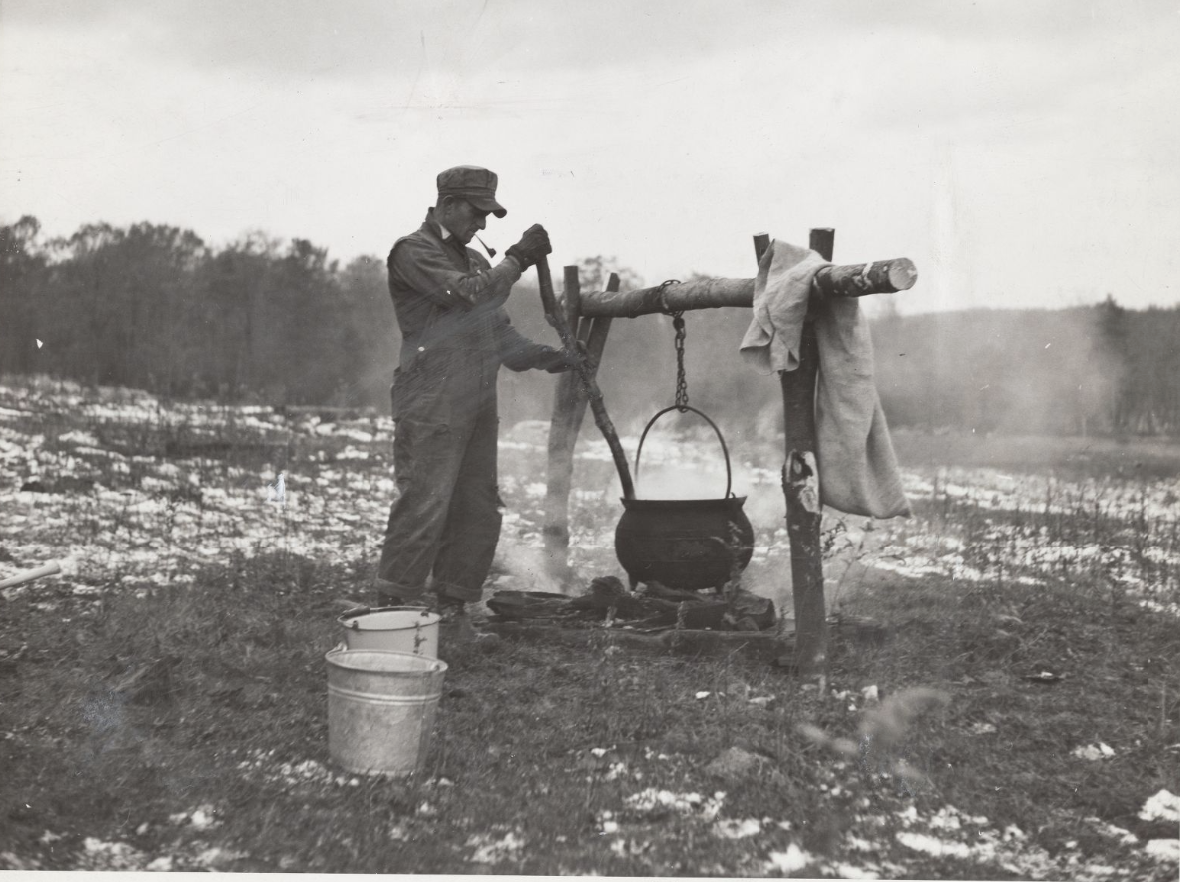
But there’s another important element of brand story that sometimes gets left out. Think of a brand story as a crockpot filled to the brim and set to a low simmer with ingredients that include the company’s origin, history and ethos. But how does the audience react when this gamey stew is served? This is also part of the story: the human element, or the action the brand takes when it meets its clientele.
A brand story isn’t static
The phrase brand story feels a little misleading because story implies a single, polished narrative which makes a concept feel fixed. It seems like a brand story is a one-time task, a single serving composition that eventually gets filed away along with other important business documents. As a result, the term brand story feels at odds with the idea that a brand story should be the beating heart of an organization, tied tightly to strategy and every operation and marketing decision. Is it that the brand story feels overly theoretical, and therefore less substantial than other brand elements?
Let’s consider for a second the theoretical threshold for abstract concepts in business. The mission, vision and values, for example are intangible concepts that companies have been told are crucial to define in the embryonic stages of business formation. For some companies, these elements even rise to a level of prominence and are stated word for word on a website. But how many companies review these values for alignment when making everyday business decisions?
The same could be said of a brand story. It’s true that many of the business owners we encounter have an oblique sense of their brand story. But lately, I’m more interested in teasing this out, in applying the theoretical to the practical. I’m more interested in determining how brand story surfaces in the everyday maneuvers of a small business. How does it relate to the values and the mission of an organization? How does the brand story emerge in a company’s visuals and come to life in marketing and social content?
I want to untangle the brand story, come to terms with it and determine why it’s important for small business owners to crystalize their own story. But first, I need to get a handle on what exactly a brand story is and how to draft it.
Brand Story, Cowbird Style
When we first started Cowbird, one thing I didn’t count on as a business owner was how often we’d be pivoting. In retrospect, though, it makes sense. It’s easy to develop an idea for a business, but when these ideas are put to the test with an actual audience, the brand shifts to meet these human demands. As discussed, this is another ingredient of the brand story—how the brand adapts to practical experience. Our business has changed wildly in the last five years. Our services, audiences, workflows and approaches have all been sharpened—whittled down to their fundamentals—to accommodate our clients’ needs and to adjust to our capacity.
The market forces shaping our industry have been another factor spurring us to make alterations to our brand story as we move forward. The introduction of AI has made us question so many elements of our business and how we run it. And we’re only at the very beginning of the AI revolution, which is dynamic and changing at an alarming speed. It makes sense that our story can’t be stuck in the Cowbird of several years ago, it has to be current in order to address the most recent iteration of our company. Because of this, a brand story isn’t a case of set-it-and-forget-it-and-file-it-away. Like a website, a brand story needs to be hauled from the depths, examined and adjusted to keep it functioning in good condition.
Why brand story?
The art of branding is the art of differentiation. Mapping a foundation around a brand allows founders to drill down into the true intention behind the business. This becomes part of the reason for the brand to exist. No brand exists just to make money—or if it does, it’s not a great selling point. People like stories, and they really like the stories behind the story, so witnessing a brand’s evolution in the market helps it feel more authentic. This may explain why authenticity is floating to the surface lately as a heady buzzword. Once AI takes over messaging, video and photography—which it’s doing even as I write this—what element of human connection remains? A brand story should contain an emotional current—this is what people relate to. Think of a brand story as a source text. The more you can boil your brand down into a solid, narrative nugget, the better you’ll be able to tell your stories and connect emotionally with your people.
Ingredients for a brand story
Here are some elements that help make up a brand story:
Origin/ History
Values/ Mission
Ethos/ Philosophy
Personality
Audience
Differentiator
Emotional current
Human/ Brand Interaction
Here are some questions to consider when developing your company’s brand story:
What is your origin story, and how important is it to your current business (if at all)?
Why did you start this business (other than to make money)?
Who needs your products or services?
How do you help your clients? What do you provide that no one else in your industry provides?
What are you really selling? This is different from the products or services that you sell. Think about how people feel after interacting with your brand. Are you actually selling relief? Luxury? Trust? Healing? Joy?
What’s the philosophy or ethos that underpins your brand?
How does your brand interact with your audience? What changes have you made to adapt your brand over time? Is this part of your story?
How has your brand changed in the dynamic age of AI? How has your business adapted to the market forces affecting your industry?
How has your brand changed based on how you’ve niched down or as you’ve scaled?
How can you tap into the emotional pain points your clients are experiencing that your product or service helps to ease?
Working through the questions above won't give you a polished narrative on the first pass, but it will help you to see the arc of your brand and act as a guide for the future. The goal is an honest, informal record of who you are, where you've been and where you're headed. Every client conversation, every pivot and every market shift adds something new. Some ingredients deepen the flavor and some need to be skimmed off. Once you have a workable version of your brand story, it can be a source document for your brand’s messaging and communications. It should guide your campaigns, your social content, your visuals and even your internal communications. It should inform who you hire, which clients you take on and which opportunities you turn down. When a decision feels murky, go back to the story and ask whether your decision aligns with your company’s story. And keep checking in on your brand story—as your business grows and deepens, you’ll need to keep testing it in order to make sure it’s up to date. Keeping it relevant keeps your business grounded and connected to the people you serve. Ultimately, your brand story isn’t something you write once and leave behind; it’s something you continue to live, shape and refine as your business evolves. The more intentionally you return to it, the more powerfully it can guide your decisions.
Need an outside perspective on your brand to see what’s working and what needs a refresh? Check out our Brand Audit, a comprehensive assessment of your existing brand and a tailored plan of action for moving your brand forward. The Brand Audit offers an opportunity to see your brand through the eyes of industry professionals and get a custom roadmap for where to go next.